Table Of Content

It is typically coarse and has a lot of body and volume, but can be difficult to style due to its resistance to heat and styling products. Type 1C hair is also prone to frizz and can be difficult to manage in humid conditions. Type B and Type C are subcategories within the main hair types (e.g., 1B or 3C). Type B hair has a more defined wave or curl pattern than Type A. Type C hair has the strongest wave or curl pattern in its category.
How to identify your curl pattern
You can also find hair growth serums that contain active ingredients that have been FDA-approved to promote hair growth, like minoxidil. Like we mentioned above, your hair type directly influences how long your hair appears. If you hold that ribbon straight, you’ll easily see its length in its entirety. However, if you roll, ball or fold that same ribbon, it’ll appear shorter, even though the actual length of the ribbon hasn’t changed. Blue is across from orange on the hair color wheel, so a blue shampoo will help keep orangey-toned hair fresh-hued and brass-free.
Type 3C
Maybe – that is if you decide to use one well-known hair typing system. Your hair type could also be an “OS” or an “IS” according to a different hair type chart (or system). This type of hair will also benefit from additional nourishment from hair creams and oils to keep ringlets plush to the touch and protected from moisture. We like GH Beauty Award winner Suave Curl Defining Hair Cream that effectively prevented frizz and softened without a crunchy feel. For instance, if your hair tends to be dry, then “look for serums that contain oils to help hydrate the dry hair shaft,” says Dr. Shaver.
30 Of The Best Curly Hair Products, Whatever Your Curl Type 2022 - Grazia
30 Of The Best Curly Hair Products, Whatever Your Curl Type 2022.
Posted: Mon, 11 Apr 2022 07:00:00 GMT [source]
A Guide on Every Curl Type and How to Nurture Each Pattern
Type 1A – Fine, straight hair that has a tendency to become greasy easily. The exact origin of the hair typing system is uncertain, but it was most likely created by the African American hair care industry as a way to categorize different textures of hair. Andre Walker is a celebrity hairstylist who is credited with popularizing the hair typing system and classifying hair into four specific types. As per usual, the goal of this hair typing system is to clear up the confusion so women can embrace their naturally curly hair and find the best hair products for their hair.
Natural styling using the LOC method is the best practice to protect and nurture your coils. Type 4A hair is coily; a toothpick can fit inside of your curl loop. These curls start to get more shrinkage as they tend to wrap around themselves, or they can be more elongated. Either way, moisture and hydration are paramount to keeping your coils looking and feeling their best.
Other Curl Type Classification Systems
AI Hair Analysis Tech - Trend Hunter
AI Hair Analysis Tech.
Posted: Mon, 23 Jan 2023 08:00:00 GMT [source]
It protects your skin and traps particles like dust around your eyes and ears. If your hair gets damaged, it can renew itself without scarring. Understanding the color wheel will help you have a more realistic expectation of what you can expect from your hair. In the era of individuality, celebrating hair’s natural texture is more relevant than ever. It’s not just a trend—championing what makes us unique is a movement, one that stylists can help highlight and cultivate.
Type 4a
The main challenges coily hair women experience is lack of hair definition, dryness, tangles, shrinkage, and breakage. You can rock your beautiful coils if you take the right steps for hair health, moisture, and styling products that does not dry. Type 3c curls are tightly packed corkscrew ringlets with the most volume among type 3 curls. These curls are prone to dryness and tangles, so proper moisturization is key. Type 3c hair is more prone to frizz and loss of curl definition due to the open cuticle and the hair’s natural oils having a harder time traveling down from the roots.
According to François, this styling cream works across all hair textures and is great for doing two-strand twists with curly, kinky, and coily hair types. "It works great with several styles like finger twists with wavy, kinky, coily types," he says. "It's definitely possible to have in-between curl types and several curl types on your head," Breyer explains. It has more moisture than Type 4b coils and has a visible curl pattern. The circumference of the spirals is close to that of a crochet needle.
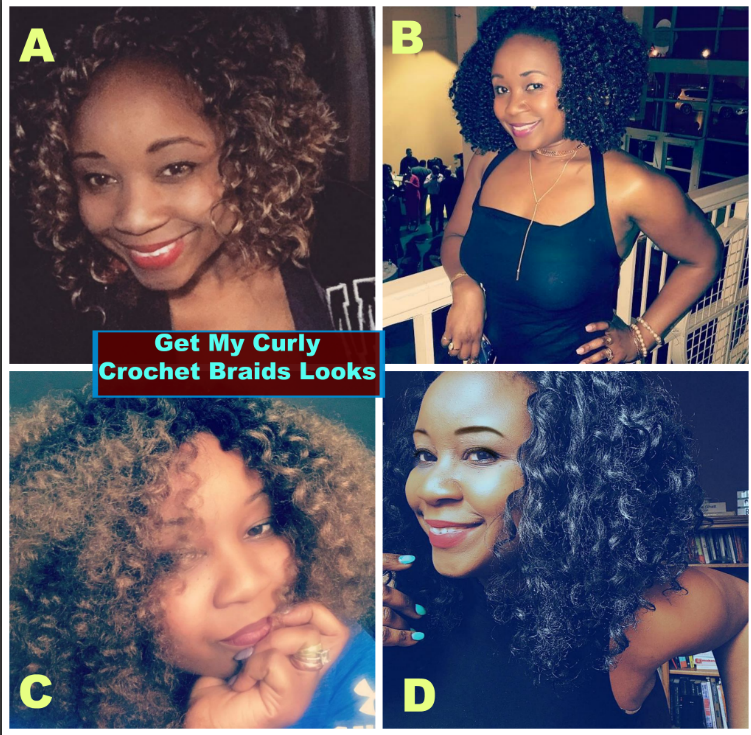
Currently, there are four hair types according to the Andre Walker Hair Typing System, with subcategories labelled A, B, and C. If you’re trying to change your curl pattern because you’re unhappy with it or don’t think it suits you, you can encourage your curls to sit differently with different styling techniques. Within these types, there are three subcategories based on the intensity of the curl type’s pattern. In terms of haircuts, layered cuts can help add movement and volume to 2A hair, while blunt cuts can create a sleek and polished look. Bangs can also be a great addition to 2A hair, as they can help add dimension and frame the face.
Leigh Hardges, a stylist at Maxine Salon in Chicago, suggests water-based products like mousses and gels to give your waves the best results possible. Two of her favorite products to use when styling are Kerastase Discipline Curl Ideal and Oribe Gel Serum Radiance in addition to a light leave-in conditioner. A leave-in product and a curl definer make up the standard routine, but both Amiel and Francois agree there are more factors to bringing out the best in your texture. Additionally, curly hair has more protein bonds in the hair shaft than straight hair, which causes it to curl.
But it’s not as easy when it comes to determining the exact type of curl pattern. Type 3 hair has more defined, springy curls that form spirals or ringlets. Those with Type 3 hair are mostly concerned with reducing frizz and adding definition. They use creams and gels to give their curls definition, and they’re more likely to avoid drying ingredients in their shampoos. If you are new to the world of natural curls, getting to know your curl pattern can help you discover styling techniques and products that will work for you.
The hair color chart generates a lot of confusion among those of us who aren’t beauty school graduates. 3a has looser curls that may require scrunching to help accentuate the shape. Hair is primarily composed of keratin, a protein, which grows from the follicle. Keratins, and other proteins, are formulated in the cells of the hair follicle. All of the proteins become a part of the hair shaft and contain sulfur atoms.
Identifying your curl pattern and hair type is the key to finding the best hair care routine for your hair. Having a more targeted approach to your hair care allows you to prevent damage by having all the necessary insight into how your hair reacts to heat, chemicals, and hair care products. When styling 2A hair, it’s important to enhance the natural wave pattern without adding too much weight. Curl-enhancing products like creams, mousses, or gels can help define the waves, while a diffuser attachment on a blow dryer can help create volume and bounce. 2A hair is the least curly of the Type 2 category and is characterized by loose, beachy waves. This hair type tends to be fine and thin, which can make it prone to frizz and flyaways.
Follow our easy tip sheet below (complete with recommendations for the best products for your curl type) so you can be well on your way to becoming a curl-typing pro. It is considered a dry hair type due to the coils that make it harder for sebum to coat its lengths evenly. Curly hair is also fragile and prone to breakage and damage, especially when treated roughly or subjected to chemical treatments. For clients with type 2 waves, choose products that are designed to add grip and texture to highlight the wave, like sea salt sprays and texturizers. For extra oomph, blow-dry after working product through damp hair.
Contrary to popular belief, curly hair isn't just one giant category. For starters, there are different types of curls—from 2a to 4c—and each has its own set of unique characteristics and traits. It takes a bit of exploration, and since our hair may transform over time, it also takes patience and kindness to your curls.


No comments:
Post a Comment